Lipedema or Cellulite? Recognize Symptoms & Understand the Difference
Many women experience frustrating dimples and uneven skin texture, often on their thighs and buttocks, leading to self-consciousness and a quest for smoother skin. While these visual changes are commonly dismissed as mere "orange peel skin" or cellulite, they can sometimes be symptoms of a much more complex and often painful medical condition: Lipedema. Understanding the fundamental difference between Cellulite and Lipedema is not just about aesthetics; it's about making informed health decisions and seeking appropriate, effective treatment. This comprehensive guide will help you differentiate between these two distinct conditions, recognize their symptoms, and understand the paths to diagnosis and management.Differentiating the Dimples: What Exactly Are Cellulite and Lipedema?
On the surface, both cellulite and lipedema can present with dimpled skin, leading to easy confusion. However, their underlying biology and medical implications are vastly different.Cellulite: An Aesthetic Skin Condition
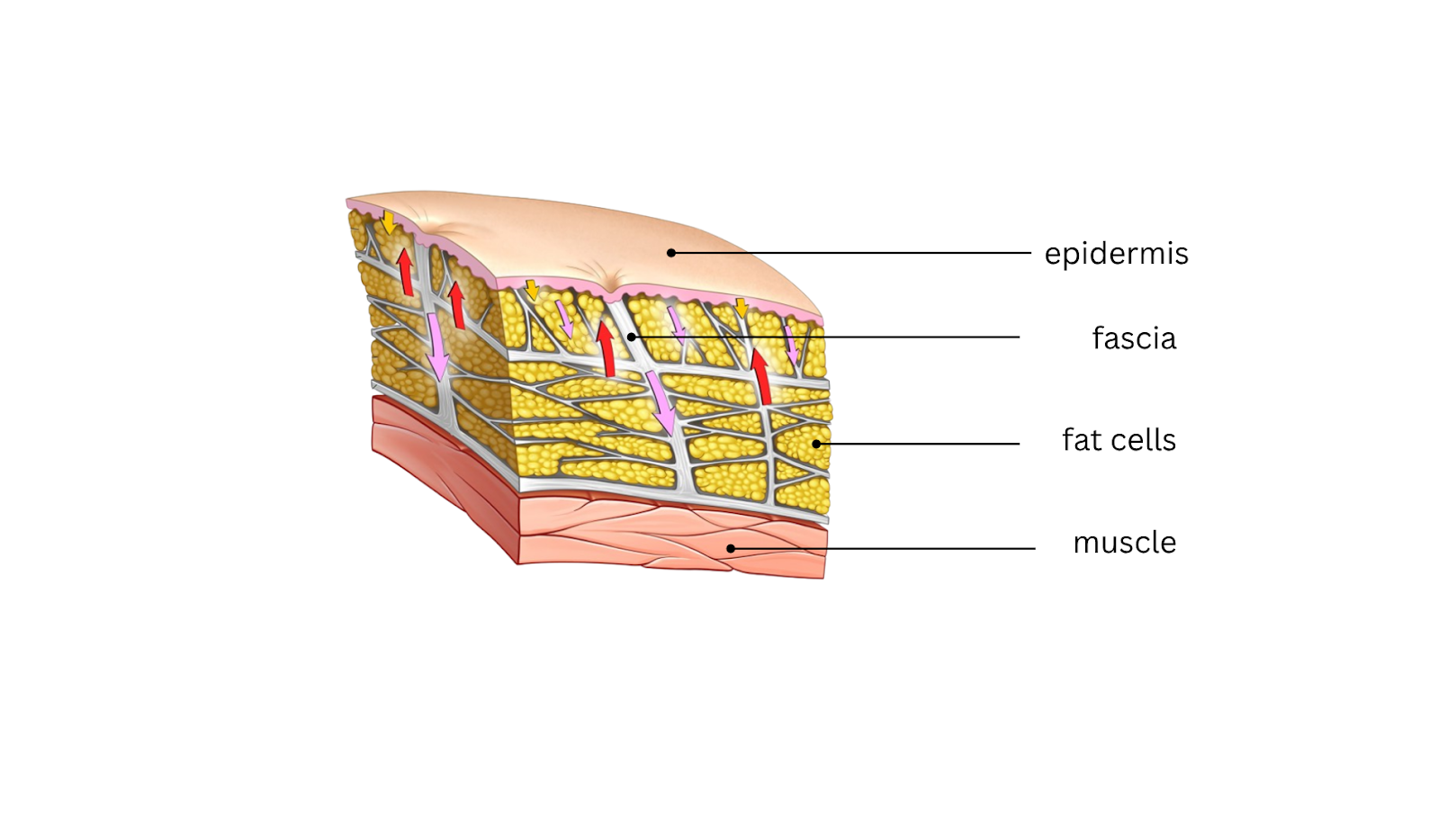
Cellulite is primarily an aesthetic change in the skin's surface, affecting a vast majority of women, regardless of their weight or fitness level. It occurs when fibrous connective tissue bands (septae) that tether the skin to deeper tissues pull down, while the fat cells they enclose push upward. This creates the characteristic dimpled, cottage-cheese-like appearance. Common areas include the thighs, buttocks, and sometimes the abdomen.
- Nature: Benign aesthetic concern, not a disease in the medical sense.
- Cause: A combination of factors including genetics, hormones (especially estrogen), lifestyle, diet, and skin elasticity.
- Symptoms: Visible dimples and uneven skin texture, particularly when the skin is pinched or when sitting. Typically, there is no associated pain or discomfort.
- Progression: Does not progress into a more serious medical condition.
Lipedema: A Chronic Disease of Fat Distribution
In stark contrast, Lipedema is a chronic, progressive medical condition characterized by a pathological increase of adipose tissue (fat cells) that is disproportionate, painful, and almost exclusively affects women. This fat accumulation is typically symmetrical and starts in the legs, often from the hips to the ankles, leaving the feet untouched initially, creating a "cuff" effect. It can also affect the arms, from the shoulders to the wrists.
- Nature: A recognized chronic disease, not merely an aesthetic issue.
- Cause: Genetic predisposition combined with hormonal triggers (e.g., puberty, pregnancy, menopause). It's a disorder of fat cells themselves, not simply excess fat.
- Symptoms:
- Disproportionate Fat Distribution: Upper body may be slender, while hips, thighs, and legs are significantly larger.
- Pain: A hallmark symptom. The affected fat is often tender, aching, and painful to touch or pressure.
- Easy Bruising: Affected areas bruise easily and without apparent trauma.
- Cold Skin: The skin in affected areas often feels unusually cold.
- Symmetrical Swelling: Both legs or arms are affected equally.
- Negative Stemmer's Sign: Unlike lymphedema, the skin on the toes or fingers can be pinched and lifted normally.
- Progression: Lipedema can progress through stages, leading to increased pain, mobility issues, and secondary lymphedema if left untreated.
Key Symptoms to Watch For: How to Spot the Unterschied Cellulite Lipödem in Daily Life
Recognizing the subtle yet significant differences in symptoms is the first crucial step toward proper identification. Pay close attention to these distinctions:For Cellulite, Observe:
- The Pinch Test: Gently pinch the skin on your thigh. If dimples appear or become more pronounced, it's likely cellulite. Without pinching, the skin might look relatively smooth, especially when lying down.
- Lack of Pain: Cellulite is typically painless. Any discomfort is usually associated with the psychological impact rather than physical symptoms.
- Location: Most commonly found on the buttocks, thighs, and sometimes the abdomen.
- Consistency: The skin and underlying tissue usually feel soft and pliable.
- Response to Lifestyle: While not a cure, a healthy diet, exercise, and hydration can sometimes marginally improve the appearance of cellulite.
For Lipedema, Look Out For:
- Disproportion: Do your legs or arms look significantly larger than your torso, even if your upper body is slim? This "two-body syndrome" is a strong indicator.
- Pain & Tenderness: Is the fat on your legs or arms unusually tender or painful to touch? Even a light pat or the pressure from clothing can cause discomfort. This is a critical differentiator.
- Easy Bruising: Do you find bruises on your affected limbs without remembering any specific injury?
- Symmetry: Is the fat accumulation identical on both sides of your body? Lipedema is almost always symmetrical.
- The "Cuff" Effect: Is there a clear demarcation or "cuff" of swelling just above your ankles or wrists, where the fat stops abruptly and your feet/hands remain unaffected?
- Persistent Swelling: Does the swelling not significantly reduce with elevation, rest, or typical diet and exercise?
- Skin Texture: The affected skin can feel cool to the touch and, in later stages, may develop a nodular or "grainy" texture, described as feeling like rice, peas, or even walnuts under the skin.
Beyond Visuals: The Crucial Diagnostic Journey and Treatment Options
Self-assessment is a starting point, but an accurate diagnosis from a medical professional is paramount. Mistaking Lipedema for cellulite can lead to years of frustration, ineffective treatments, and worsening symptoms. For those in regions like Austria, including cities such as Graz and Leibnitz, seeking local specialist care is crucial.Why a Diagnosis is Critical:
For Lipedema, early diagnosis allows for timely management, which can slow progression, reduce pain, and improve quality of life. Without it, patients often endure years of misdiagnosis, being told to simply "diet and exercise more," which does not work for Lipedema fat and can lead to emotional distress and eating disorders. For cellulite, understanding its aesthetic nature prevents unnecessary medical anxiety.
The Diagnostic Process:
If you suspect Lipedema, your first step should be a consultation with a specialist, such as a dermatologist, vascular specialist, or an expert in lymphology. They will conduct a thorough physical examination, focusing on:
- Visual inspection for disproportion and symmetry.
- Palpation to assess for pain, tenderness, and nodular texture.
- Assessing for easy bruising and the Stemmer's sign.
- Taking a detailed medical history, including family history and hormonal events.
They will also differentiate Lipedema from other conditions like obesity and lymphedema, which can sometimes co-exist with or be mistaken for Lipedema.
Treatment Approaches:
For Cellulite:
Treatment focuses on improving skin texture and elasticity.
- Lifestyle Modifications: A balanced diet, regular exercise, and adequate hydration can help manage overall body fat and improve skin tone.
- Topical Creams: Some creams containing retinol, caffeine, or other active ingredients may offer minor, temporary improvements.
- Non-Invasive Treatments: Options like LPG Endermologie (a mechanical massage that stimulates lymphatic drainage and connective tissue), radiofrequency, laser therapy, and acoustic wave therapy can improve circulation, break down fat deposits, and tighten skin. These often work best in structured, consistent programs.
- Minimally Invasive Procedures: Techniques like subcision (cutting the fibrous bands under the skin) can provide more significant, longer-lasting results.
For Lipedema:
Management aims to reduce pain, slow progression, and improve function. It typically involves a combination of conservative and sometimes surgical approaches.
- Conservative Management:
- Compression Therapy: Wearing custom-fitted compression garments (flat-knit) is fundamental to reduce swelling, pain, and prevent progression.
- Manual Lymphatic Drainage (MLD): A specialized massage technique that helps move lymphatic fluid and reduce fluid retention.
- Exercise: Low-impact activities, especially water-based exercises (swimming, aqua aerobics), are beneficial as they provide natural compression and are easier on the joints.
- Healthy Diet: While diet cannot "cure" Lipedema, an anti-inflammatory diet can help manage overall weight, reduce inflammation, and support lymphatic health.
- Pain Management: Over-the-counter or prescription pain relievers may be necessary.
- Surgical Intervention:
- Liposuction: Specialized liposuction techniques (e.g., tumescent, water-jet assisted) performed by plastic and aesthetic surgeons experienced in Lipedema can remove the diseased fat tissue, significantly reducing pain, improving mobility, and restoring a more proportionate body shape. This is often considered when conservative measures are insufficient.
For more detailed insights on the challenges and solutions, you can explore resources like Dells on Legs? Lipedema or Cellulite: Symptoms & How to Find Help.