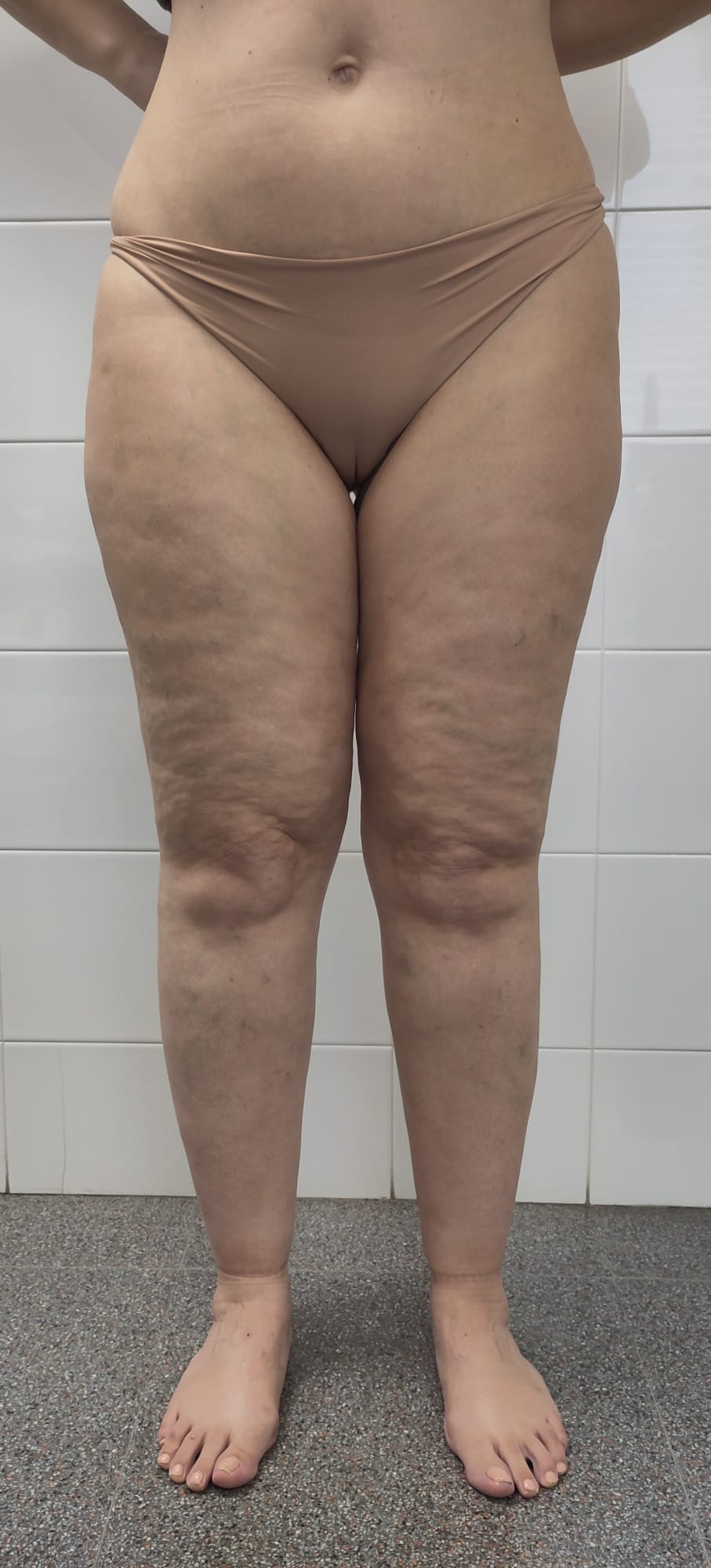
Dells on Legs? Lipedema or Cellulite: Symptoms & How to Find Help
The sight of dimpled skin on thighs, buttocks, or arms can be a source of frustration and self-consciousness for many women. Often dismissed as "orange peel skin" or cellulite, these aesthetic changes might, in some cases, signal a more profound medical condition: lipedema. Understanding the key differences between these two conditions is paramount, not just for aesthetic reasons, but for health and well-being. This comprehensive guide will help you decipher the symptoms, understand their underlying causes, and navigate the path to appropriate treatment and support.Unraveling the Mystery: Cellulite vs. Lipedema Defined
At first glance, the visual impact of cellulite and lipedema can appear strikingly similar. Both present with an uneven skin texture and fat accumulation, predominantly affecting women. However, their biological origins, associated symptoms, and treatment approaches are vastly different. Knowing the *Unterschied Cellulite Lipödem* – the crucial difference – is the first step towards clarity and effective management.What is Cellulite?
Cellulite is an aesthetic alteration of the skin's surface and underlying connective tissue, affecting an estimated 80-90% of post-pubescent women. It's not considered a disease in the medical sense, but rather a normal physiological phenomenon. It occurs when fat cells push against the skin, while tough, fibrous bands (septae) that connect the skin to the muscle pull down. This creates the characteristic dimpled, cottage-cheese like appearance. Common areas include the thighs, buttocks, and abdomen.
- Causes: Influenced by a combination of factors including genetics, hormones (especially estrogen), lifestyle (diet, exercise, smoking), age, and body fat percentage.
- Symptoms: Primarily visual. The skin appears dimpled or wavy. It is typically painless, although severe cases might cause mild tenderness.
- Progression: Can worsen with age or weight gain but doesn't lead to medical complications.
- Impact: While not medically dangerous, severe cellulite can significantly impact self-esteem and quality of life for many individuals.
What is Lipedema?
Lipedema, often referred to as "Dells on Legs" due to its distinct fat distribution, is a chronic, progressive disease of the adipose (fat) tissue and lymphatic system, almost exclusively affecting women. It involves a pathological accumulation of fat cells, primarily in the legs, thighs, and sometimes the arms, while the hands and feet remain typically unaffected, creating a characteristic "cuff" at the ankles and wrists. Unlike cellulite, lipedema is a medical condition that carries significant physical and emotional burdens.
- Causes: The exact cause is unknown, but it's strongly linked to hormonal changes, often appearing or worsening during puberty, pregnancy, menopause, or after gynecological surgeries. There's a strong genetic predisposition.
- Symptoms: Far more than just dimples. Key indicators include:
- Disproportionate Fat Accumulation: Symmetrical enlargement of limbs, with a distinct difference in size between the upper body and affected lower body/arms.
- Pain: Spontaneous and disproportionate pain, tenderness to touch or pressure, even light palpation.
- Easy Bruising: Patients often bruise easily and without apparent cause.
- Heavy Sensation: Limbs feel heavy, tired, and swollen.
- Skin Texture: The affected fat can feel nodular, rubbery, or like small beads under the skin.
- Lack of Response to Diet/Exercise: The lipedema fat often does not reduce with conventional weight loss methods.
- Progression: Lipedema is progressive and can worsen over time if untreated, leading to impaired mobility, lymphedema (secondary to lipedema), and severe pain.
- Impact: Causes chronic pain, psychological distress, and can severely limit physical activity and daily life.
The fundamental *Unterschied Cellulite Lipödem* lies in their biology: cellulite is a superficial connective tissue change, while lipedema is a disease involving the fat cells themselves, accompanied by distinct physical symptoms.
Recognizing the Symptoms: A Closer Look at Identification
Distinguishing between cellulite and lipedema in their early stages can be challenging due as their visual symptoms overlap. However, paying close attention to specific details can help determine if a medical consultation is warranted.
Typical Cellulite Characteristics
When examining for cellulite, here's what to look for:
- The Pinch Test: Gently pinch the skin on your thigh or buttocks. If you see dimpling, it's likely cellulite. In early stages, it might only be visible with this test.
- Visual Appearance: Dimples are often visible when standing or sitting, giving the skin an "orange peel" texture.
- Touch: The affected areas are typically painless to the touch and do not bruise easily.
- Location: Most commonly found on the thighs, buttocks, and hips.
- Skin Temperature: Skin temperature is usually normal.
Factors like hydration, overall body weight, and muscle tone can influence the appearance of cellulite. Improving these aspects through a healthy lifestyle can sometimes reduce its visibility, though it rarely eliminates it entirely.
Hallmark Symptoms of Lipedema
Lipedema presents with a combination of visual and physical symptoms that set it apart:
- Disproportionate Body Shape: A significant difference in size between your upper body (often slender) and your lower body (larger thighs, calves, and hips). The "pear shape" or "columnar legs" are common descriptions.
- Pain & Tenderness: This is a critical differentiator. Lipedema fat is often painful, even to light touch, pressure, or minor impacts. It can feel like a deep, aching pain or a burning sensation.
- Easy Bruising: If you frequently find bruises on your legs or arms without remembering how you got them, this is a strong indicator of lipedema.
- Symmetry: The fat accumulation is typically symmetrical on both sides of the body, affecting both legs or both arms equally.
- "Cuffing" or "Bracelet" Effect: The fat accumulation stops abruptly at the ankles and wrists, leaving the feet and hands unaffected. This creates a distinct "cuff" appearance.
- Skin Texture: The fat can feel soft, spongy, or nodular (like small marbles or rice grains) under the skin.
- Swelling & Heaviness: A persistent feeling of heaviness and swelling in the affected limbs, often worsening throughout the day.
- No Pitting Edema: Unlike lymphatic edema, lipedema typically does not pit (leave an indentation) when pressed firmly.
- Insensitivity to Diet/Exercise: If you've tried various diets and exercise regimens but the fat in your legs/arms remains stubbornly resistant to reduction, it could be lipedema.
If you recognize several of these lipedema symptoms, especially pain and easy bruising alongside disproportionate fat, it is crucial to seek medical evaluation. For further reading on this distinction, consider our detailed article: Lipedema or Cellulite? Recognize Symptoms & Understand the Difference.
Finding Help: Diagnosis and Treatment Options
The journey to diagnosis and effective treatment begins with recognizing the signs and seeking professional medical advice. Self-diagnosis, while a helpful starting point, is not sufficient for a condition as complex as lipedema.
The Diagnostic Process
If you suspect lipedema, the first step is to consult a healthcare professional. This could be your general practitioner, who can then refer you to specialists. Often, dermatologists, vascular specialists, or phlebologists are the first port of call. In some cases, endocrinologists or plastic surgeons specializing in lymphatic disorders may also be involved.
During the consultation, the doctor will:
- Take a Detailed Medical History: Including onset of symptoms, family history, and any hormonal changes.
- Perform a Physical Examination: Assessing fat distribution, tenderness, bruising, and skin texture.
- Rule Out Other Conditions: Such as general obesity, lymphedema, or venous insufficiency.
Early and accurate diagnosis is vital to prevent the progression of lipedema and manage its symptoms effectively.
Treatment Approaches for Cellulite
For cellulite, treatments are primarily aesthetic and focus on improving the skin's appearance. Many options are non-invasive or minimally invasive:
- Lifestyle Modifications: A healthy diet, regular exercise, adequate hydration, and maintaining a healthy weight can help minimize the appearance of cellulite.
- Topical Creams & Lotions: Products containing retinol, caffeine, or other active ingredients can temporarily improve skin texture.
- Massage & Mechanical Treatments: Techniques like LPG Endermologie, which uses mechanical massage to stimulate circulation and lymphatic drainage, can be effective in reducing the appearance of cellulite. These are often integrated into structured programs.
- Energy-Based Devices: Radiofrequency, laser, and acoustic wave therapies can target fat cells and improve collagen production.
- Subcision: A minimally invasive procedure that cuts the fibrous bands causing the dimpling.
Managing Lipedema: A Medical Approach
Lipedema requires a medical, often multidisciplinary, approach focused on symptom management, pain reduction, and preventing progression.
- Conservative Therapies:
- Compression Therapy: Wearing custom-fitted compression garments (stockings, leggings) is fundamental. It helps reduce swelling, pain, and supports the affected tissues.
- Manual Lymphatic Drainage (MLD): A specialized massage technique performed by trained therapists to stimulate lymph flow and reduce fluid buildup.
- Exercise: Gentle, low-impact exercises, especially in water, can improve circulation, reduce swelling, and enhance mobility without aggravating pain.
- Healthy Diet: While diet won't cure lipedema, an anti-inflammatory diet can help manage weight, reduce swelling, and support overall health.
- Surgical Intervention:
- Liposuction: For confirmed lipedema, specialized liposuction (e.g., water-jet assisted liposuction, tumescent liposuction) performed by surgeons experienced in lipedema can remove diseased fat tissue, significantly reducing pain, improving mobility, and halting progression. This often involves plastic and aesthetic surgery specialists.
- Pain Management: Working with pain specialists to manage chronic pain.
- Psychological Support: Addressing the emotional toll of a chronic condition is crucial, with counseling or support groups playing an important role.
Understanding the distinction is not just about aesthetics; it's about accurate diagnosis and effective care. For more in-depth information on when "orange peel skin" might signify something more serious, read our related article: Cellulite vs. Lipedema: When "Orange Peel Skin" Becomes a Disease.
Conclusion: Empowering Yourself with Knowledge
The journey from noticing skin dimpling to understanding whether it's harmless cellulite or the challenging condition of lipedema can be a long one. However, armed with the knowledge of their distinct symptoms and biological foundations, you are better equipped to advocate for your health. If you experience pain, easy bruising, or disproportionate fat accumulation that resists diet and exercise, do not hesitate to seek medical evaluation. An early and accurate diagnosis of lipedema can make a profound difference in managing symptoms, preventing progression, and improving your overall quality of life. Empower yourself with information, seek professional help, and take control of your health journey.