Cellulite vs. Lipedema: When "Orange Peel Skin" Becomes a Disease
The appearance of dimpled, uneven skin, often described as "orange peel skin," on the thighs, buttocks, and sometimes arms is a common concern for many women. While often dismissed as mere cellulite, this visual similarity can be misleading. Beneath the surface, two very different conditions might be at play: the largely aesthetic concern of cellulite or the chronic, often painful disease known as lipedema. Understanding the fundamental difference between cellulite and lipedema is not just about aesthetics; it's crucial for identifying potential health issues, seeking appropriate care, and improving quality of life.Unraveling the 'Orange Peel': Cellulite vs. Lipedema Defined
At first glance, the dimples and irregularities on the skin's surface can look strikingly similar. However, their underlying biology, symptoms, and implications for health are vastly different.What is Cellulite?
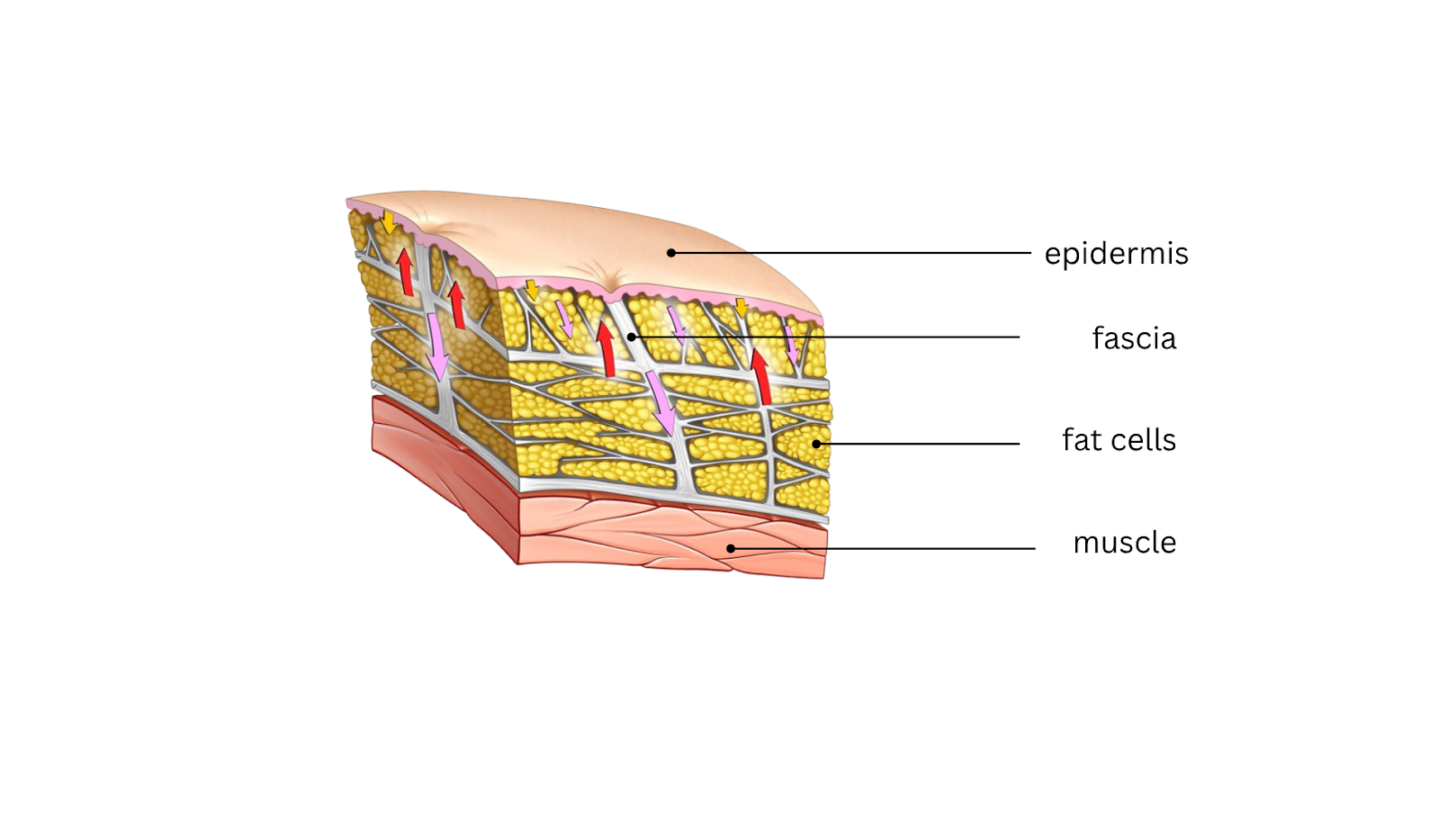
Cellulite is a structural change of the skin's surface, affecting nearly 80-90% of post-pubescent women. It occurs when fibrous bands of connective tissue, called septae, pull down on the skin, while fat cells between these bands push upwards. This creates the characteristic dimpled, cottage-cheese-like appearance. Cellulite is not a disease in the medical sense; it's a common cosmetic concern. While it can cause distress and impact self-image, it typically poses no medical danger.
Several factors influence the development and severity of cellulite:
- Genetics: Predisposition often runs in families.
- Hormones: Estrogen plays a significant role, which is why cellulite is more prevalent in women and can worsen during hormonal shifts like puberty, pregnancy, or menopause.
- Lifestyle: Diet, exercise, hydration, and circulation can all impact its appearance.
- Body Composition: While often associated with excess weight, cellulite can affect individuals of all body types, even those who are thin.
What is Lipedema?
Lipedema, on the other hand, is a chronic and progressive disease characterized by a pathological accumulation of fat tissue, almost exclusively in women. This fat distribution disorder is typically symmetrical, affecting the legs from the hips down to the ankles, and often the arms from the shoulders to the wrists. Crucially, the feet and hands are usually spared, creating a distinctive "cuffing" effect at the ankles and wrists. The unique difference between cellulite and lipedema here is that lipedema is not just about fat; it's about diseased fat that carries specific and often debilitating symptoms.
Key characteristics that set lipedema apart include:
- Pain: A hallmark symptom. The affected areas are often tender to the touch, easily bruised, and can experience spontaneous aching or heaviness. This pain is disproportionate to pressure and can worsen throughout the day or with activity.
- Symmetry: The fat accumulation is nearly always symmetrical on both sides of the body.
- Resistance to Diet and Exercise: Lipedema fat is metabolically different and often resistant to traditional weight loss methods. While a healthy diet and exercise are important for overall health, they typically do not reduce the lipedema fat itself.
- Easy Bruising: Affected areas are prone to bruising, often without significant trauma.
- Hormonal Link: Lipedema often manifests or worsens during periods of significant hormonal change, such as puberty, pregnancy, or menopause.
- Progression: Without proper management, lipedema can progress, leading to increased pain, mobility issues, and secondary lymphedema (lipo-lymphedema).
It's vital to differentiate lipedema from general obesity. While lipedema patients can also be overweight or obese, the mechanisms are distinct. Lipedema fat is diseased fat that can coexist with, but is not solely caused by, obesity.
Recognizing the Clues: Distinct Symptoms and Self-Checks
Identifying the precise nature of your "orange peel skin" requires careful observation and, often, professional evaluation. Understanding the subtle yet significant distinctions in symptoms is key to knowing whether you might have cellulite or lipedema.
Symptoms of Cellulite
- Visual Appearance: Dimples and uneven skin texture are visible when standing, sitting, or performing a "pinch test" (gently squeezing the skin).
- Location: Most commonly found on the thighs, buttocks, and hips. Less common on arms or abdomen.
- Sensation: Typically, cellulite is painless. The skin may feel slightly bumpy or loose, but it's not tender to the touch.
- Skin Temperature: Usually normal.
- Bruising: Not generally prone to bruising more easily than other areas.
A simple "pinch test" can often reveal cellulite: by gently compressing the skin on your thigh or buttocks between your thumb and forefinger, dimples will likely appear or become more pronounced if cellulite is present.
Symptoms of Lipedema
Recognizing lipedema requires attention to a broader range of symptoms, particularly the presence of pain and specific patterns of fat distribution.
- Pain and Tenderness: This is a critical differentiator. Lipedema fat is often chronically painful, aching, heavy, and sensitive to pressure or touch. Even light touch or the pressure from clothing can cause discomfort.
- Disproportionate Fat Accumulation: The most striking visual cue is the disproportionality of the body. The lower body (hips, thighs, calves) or upper arms appear significantly larger and out of proportion with the torso, hands, and feet.
- Symmetrical Swelling: Both legs and/or arms are affected equally.
- "Cuffing" Effect: A clear demarcation where the fat accumulation stops abruptly at the ankles and wrists, leaving the hands and feet unaffected. This gives the appearance of a "cuff" or "bracelet" around these joints.
- Easy Bruising: Patients often report frequent, unexplained bruising.
- Texture of Tissue: The skin over lipedema fat can feel nodular, lumpy, or even like small beads under the surface. It may also be cooler to the touch than unaffected areas.
- Lack of Pitting Edema: Unlike typical swelling (edema) which leaves an indentation when pressed, lipedema fat usually does not "pit" in its early stages.
For a deeper dive into recognizing these signs and understanding the crucial difference between cellulite and lipedema, you can read our article: Lipedema or Cellulite? Recognize Symptoms & Understand the Difference.
Beyond Aesthetics: The Medical Journey for Diagnosis and Treatment
Given the significant differences, appropriate diagnosis is paramount. Self-diagnosis is challenging, and consulting a healthcare professional is always the best first step, especially if you suspect lipedema.
Seeking Professional Help
If you experience persistent pain, easy bruising, or disproportionate fat accumulation that doesn't respond to diet and exercise, it's essential to consult a doctor. Initial consultations may involve a general practitioner, but for suspected lipedema, referral to specialists such as dermatologists, vascular medicine specialists, phlebologists (vein specialists), or plastic and aesthetic surgeons experienced in lipedema is common. These specialists can accurately diagnose the condition through physical examination, patient history, and ruling out other conditions.
If you're noticing 'dells on your legs' and are concerned, find out more about symptoms and how to get help in our dedicated article: Dells on Legs? Lipedema or Cellulite: Symptoms & How to Find Help.
Treatment Approaches for Cellulite
As cellulite is primarily an aesthetic concern, treatments focus on improving skin texture and appearance. Options range from non-invasive to minimally invasive:
- Lifestyle Modifications: A healthy diet, regular exercise, adequate hydration, and maintaining a healthy weight can help minimize its appearance.
- Topical Creams: Products containing retinol, caffeine, or other stimulating ingredients can offer temporary, modest improvements.
- Non-Invasive Therapies:
- LPG Endermologie: A mechanical massage technique that aims to stimulate circulation, lymphatic flow, and break down fat cells.
- Radiofrequency (RF) and Laser Treatments: These technologies use heat to tighten skin and improve collagen production.
- Acoustic Wave Therapy (Shockwave Therapy): Uses sound waves to break down fat cells and improve skin elasticity.
- Minimally Invasive Procedures:
- Subcision: A procedure that cuts the fibrous bands under the skin to release dimples.
- Cellfina: A specific type of subcision device used to target individual dimples.
Treatment Approaches for Lipedema
Managing lipedema is about alleviating symptoms, preventing progression, and improving quality of life. Treatment strategies are generally categorized into conservative and surgical approaches:
- Conservative Management (Complex Decongestive Therapy):
- Compression Therapy: Wearing custom-fitted, flat-knit compression garments is foundational. These help reduce pain, prevent swelling, and support the affected tissues.
- Manual Lymphatic Drainage (MLD): A specialized massage technique to stimulate lymph flow and reduce fluid retention.
- Exercise: Gentle, low-impact exercises, especially in water (aquatic therapy), can improve circulation, reduce swelling, and manage pain.
- Skin Care: Keeping the skin healthy and moisturized to prevent infections and complications.
- Pain Management: Medications, physical therapy, and other strategies to control chronic pain.
- Healthy Lifestyle: While not a cure, maintaining a healthy weight through diet and exercise can prevent comorbidities and manage overall health.
- Surgical Intervention:
- Lipedema-Specific Liposuction: This specialized form of liposuction, often water-jet assisted or tumescent, removes diseased fat while preserving lymphatic vessels. It's not a cosmetic procedure but a medical one aimed at reducing pain, improving mobility, and preventing disease progression. Multiple procedures may be necessary depending on the extent of the condition.
It's important to understand that there is currently no cure for lipedema, but these treatments can significantly manage symptoms and improve a patient's quality of life.
Living with the Distinction: Impact and Empowerment
Both cellulite and lipedema can significantly impact a woman's self-esteem and body image. However, the chronic pain, physical limitations, and often misdiagnosed nature of lipedema add a layer of psychological and emotional burden that extends far beyond aesthetic concerns. Many women with lipedema face years of frustration, being told to simply "diet and exercise more," before receiving a correct diagnosis.
Understanding the *Unterschied Cellulite Lipödem* is therefore an act of empowerment. It allows individuals to advocate for themselves, seek appropriate medical guidance, and embark on a path to effective management. For cellulite, this means choosing treatments that align with personal aesthetic goals. For lipedema, it means accessing comprehensive medical care that addresses a chronic disease, leading to pain reduction, improved mobility, and a better quality of life.
Conclusion
The journey from noticing "orange peel skin" to understanding its true nature can be complex, but it's a journey worth taking. While cellulite is a common and harmless aesthetic concern, lipedema is a painful, chronic disease requiring specific medical attention. The key distinctions lie in the presence of pain, specific patterns of fat distribution, and resistance to conventional weight loss. By recognizing these crucial differences, seeking professional medical advice, and understanding the available treatment options, you can ensure that you receive the correct diagnosis and care, transforming a source of frustration into a pathway towards health and well-being.